Chromium and gymnema for blood sugar: how GlucoAloha’s key nutrients work

Updated September 2026 · reviewed by the GlucoAloha Research Team. We are an independent information resource, not a medical provider, and this article is educational rather than medical advice.
Chromium and gymnema are the two most talked-about nutrients in everyday blood-sugar wellness, and both sit inside GlucoAloha. Chromium is an essential trace mineral that contributes to normal macronutrient metabolism; gymnema is an Ayurvedic botanical nicknamed the “sugar destroyer.” This guide explains what each one is, how it is thought to work, sensible dosing context, and what to look for on a label — without any claim to treat disease.
The two headline nutrients, in one place.
- Chromium
- An essential trace mineral that contributes to normal macronutrient metabolism; the adult Daily Value is about 35 mcg.
- Gymnema
- An Ayurvedic leaf called gurmar, or “sugar destroyer,” among the most researched botanicals for blood-sugar wellness.
- Why pair them
- They work through different routes — one a mineral in metabolism, one a traditionally used plant — so they complement each other.
- In GlucoAloha
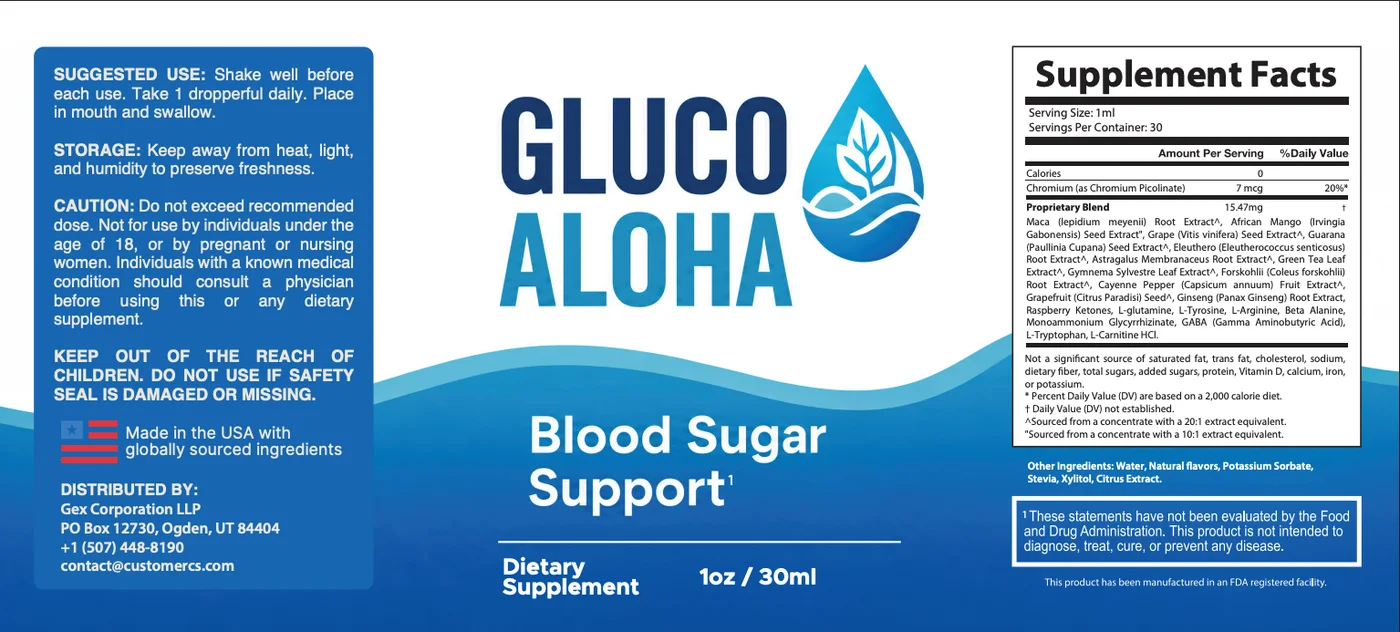
- 7 mcg of chromium (20% DV) plus a 15.47 mg botanical blend that includes gymnema leaf, per 1 mL serving.
- The caveat
- They are nutritional support, not a treatment; anyone on glucose-lowering medication should ask a doctor first.
Walk down any supplement aisle and you will find chromium and gymnema on dozens of blood-sugar labels — often together. GlucoAloha follows that pattern, pairing a quantified dose of chromium with a botanical blend led by gymnema. Here is what each nutrient actually is.
What is chromium, and what does it do?
Chromium is an essential trace mineral, meaning your body needs it in tiny amounts and cannot make it. Its recognised role is in normal macronutrient metabolism — the everyday work of turning the carbohydrates, fats and proteins you eat into usable energy. Because that process is central to how the body handles dietary sugar, chromium has been studied for general metabolic wellness for decades.
You get small amounts of chromium from whole foods such as broccoli, whole grains, green beans and nuts, but levels vary and modern refined diets tend to be lower in it. That is part of why it appears so often in supplements. The form matters, too: GlucoAloha uses chromium picolinate, a chelated form widely used because it is well absorbed.
How much chromium is sensible?
The adult Daily Value used on U.S. labels is about 35 micrograms, and the NIH Office of Dietary Supplements chromium fact sheet notes that frank chromium deficiency is rare in people eating an ordinary mixed diet. Supplements vary widely, and more is not automatically better — chromium is a trace mineral, needed in microgram amounts. GlucoAloha provides 7 mcg per serving, or 20% of the Daily Value, as part of a broader blend rather than a mega-dose.
What is gymnema, and why the nickname?
Gymnema sylvestre is a woody climbing plant native to the tropical forests of India and Africa. In Ayurvedic tradition its leaf is called gurmar — literally “sugar destroyer” — because chewing a fresh leaf can temporarily blunt the tongue’s ability to taste sweetness. That striking, easily observed effect is the origin of centuries of traditional use and of its status as one of the most researched botanicals in the blood-sugar-wellness conversation.
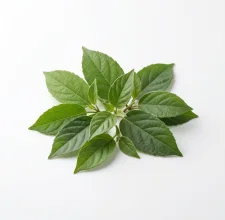
Modern gymnema supplements use a concentrated leaf extract rather than the raw leaf, and that extract is what has been tested. In a randomised controlled trial in adults with impaired glucose tolerance — the prediabetes range — Gaytán Martínez and colleagues, Journal of Medicinal Food (2021) reported improvements in glycaemic control, insulin secretion and insulin sensitivity after twelve weeks of a standardised gymnema leaf extract. The dose used was orders of magnitude larger than anything a 15.47 mg blend can supply — a scale worth remembering when you read any blend label. It is valued in traditional wellness as a companion to mindful eating, and in GlucoAloha it anchors the botanical side of the formula alongside maca, African mango, green tea and panax ginseng.
Chromium vs gymnema: a side-by-side
The two nutrients are easy to confuse because they share a shelf, but they are quite different in nature and origin.
| Chromium | Gymnema | |
|---|---|---|
| What it is | Essential trace mineral | Ayurvedic botanical (leaf) |
| Recognised / traditional role | Normal macronutrient metabolism | Traditional blood-sugar & sweetness support |
| Form in GlucoAloha | Chromium picolinate | Gymnema sylvestre leaf extract |
| Amount on the label | 7 mcg (20% DV) | Part of the 15.47 mg blend |
| Food sources | Broccoli, whole grains, nuts | Not a common food; used as an extract |
See the full GlucoAloha formula →
Why combine them in one formula?
Pairing a trace mineral with a botanical is a common strategy because the two act through different routes. Chromium is a nutrient your metabolism uses directly; gymnema is a traditionally used plant with its own profile of naturally occurring compounds. Combining them — along with maca, African mango, green tea and panax ginseng — is the logic behind a blended formula like GlucoAloha, which aims to support the routine from more than one angle rather than leaning on a single ingredient.

What the trials actually found — and where they stop
Both ingredients have a real research literature, and both literatures come with the same three limits: the doses studied are far larger than a blend label usually delivers, the participants usually have diagnosed type 2 diabetes or prediabetes, and the results are mixed. Reading them honestly means holding the finding and the limit in the same sentence.
Chromium: a small effect, at a much larger dose
Pooling randomised trials in people with type 2 diabetes, Asbaghi and colleagues, Pharmacological Research (2020) reported modest reductions in fasting glucose and HbA1c with chromium supplementation — at intakes typically between 200 and 1,000 micrograms a day. Set that against the older and more sobering pooled analysis by Althuis and colleagues, American Journal of Clinical Nutrition (2002), which found no meaningful effect of chromium on glucose or insulin in people without diabetes. Taken together the picture is consistent: chromium may help where chromium status or glucose control is already impaired, and does little where neither is.
GlucoAloha supplies 7 micrograms. That is a real contribution towards the 35-microgram Daily Value and a sensible nutritional inclusion; it is between one thirtieth and one hundred-and-fortieth of the doses used in the trials above, and no honest reading of that literature would predict a therapeutic effect at this level.
Gymnema: the deepest traditional record, the thinnest modern trial base
Gymnema has centuries of Ayurvedic use and a handful of small modern trials, of which Gaytán Martínez and colleagues, Journal of Medicinal Food (2021) is among the better controlled. The doses in that literature are measured in hundreds of milligrams of standardised extract daily, and the participants were people with impaired glucose tolerance or diagnosed diabetes rather than healthy adults. A 15.47 mg blend shared across twenty-one ingredients cannot be delivering that, and because the blend is proprietary nobody outside the manufacturer can say what fraction gymnema represents.
The other botanicals, briefly
Two of the remaining blend ingredients have pooled evidence worth naming. For ginseng, Shishtar and colleagues, PLOS ONE (2014) meta-analysed randomised trials and found a small but statistically significant reduction in fasting glucose, again at gram-scale doses. For African mango, the most-cited human study is Ngondi and colleagues, Lipids in Health and Disease (2009), a single small placebo-controlled trial of a proprietary seed extract; it is frequently quoted in marketing and has not been convincingly replicated, so it should be read as preliminary rather than established.
The NCCIH review of diabetes and dietary supplements is the fairest one-page summary of this whole field: for most supplements marketed for blood sugar, the evidence is limited, inconsistent, or drawn from studies too small to be conclusive, and none of them substitutes for diet, activity or prescribed treatment.
What should you look for on a label?
When you compare blood-sugar supplements, a few label details separate a transparent product from a vague one:
- A named form of chromium — chromium picolinate, for example, rather than just “chromium.”
- A stated %DV so you can see how the dose compares to the reference intake.
- Recognisable botanicals listed by name, ideally with the plant part (leaf, root, seed).
- A clear serving size and servings per container, so cost per day is easy to work out.
- Honest framing — support language, not disease claims.
GlucoAloha lists chromium as chromium picolinate at 7 mcg (20% DV), names the botanicals in its 15.47 mg blend, and states a serving of 1 mL across 30 servings per bottle. You can read the whole panel in the Supplement Facts section.
Chromium and gymnema in one dropper
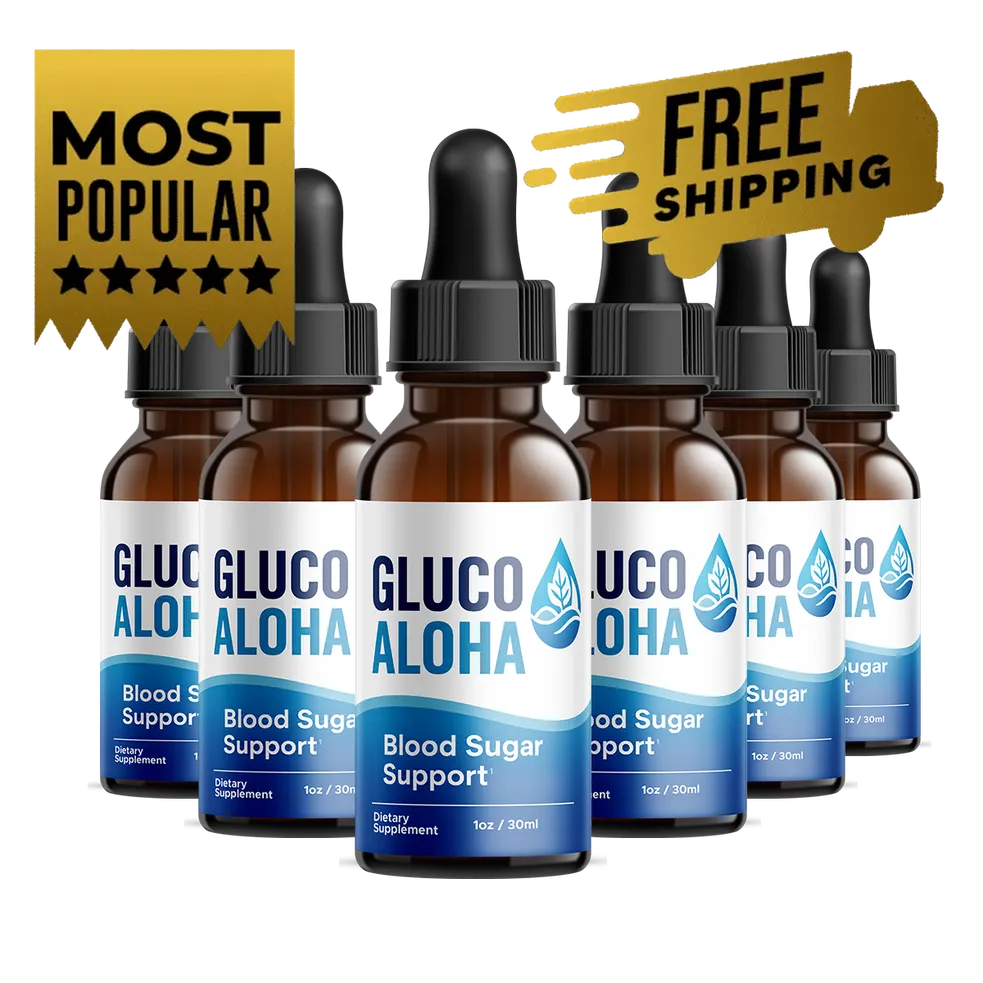
GlucoAloha pairs chromium picolinate with a 15.47 mg botanical blend led by gymnema. The six-bottle bundle is the best value at $49 per bottle, with free U.S. shipping and a 60-day guarantee.
Order GlucoAloha — from $49/bottleA sensible way to use them
Chromium and gymnema are a complement to the everyday levers that matter most — a fibre-rich plate, regular movement and steady sleep. For a fuller picture, see our guides to lowering blood sugar naturally and the best foods to balance blood sugar. Take any supplement at the same time each day so it becomes automatic, and give botanicals several weeks before you judge them.
When should you talk to a doctor?
Nutrients that support blood sugar are not a replacement for medical care. Speak with your doctor before adding chromium or gymnema if you are pregnant or nursing, under 18, take any glucose-lowering medication, or have a diagnosed condition — because combining a supplement with medication that already lowers glucose is exactly the situation that needs a professional’s eye.
Frequently asked questions
What does chromium do for blood sugar?
Chromium is an essential trace mineral that contributes to normal macronutrient metabolism — the everyday processing of carbohydrates, fats and proteins. It is a nutritional support, not a treatment, and the Daily Value for adults is around 35 micrograms.
What is gymnema and why is it called the sugar destroyer?
Gymnema sylvestre is a climbing plant used in Ayurvedic tradition. Its Hindi name gurmar means “sugar destroyer,” because chewing the leaf can temporarily dull the taste of sweetness. It is one of the most researched botanicals for everyday blood-sugar wellness.
How much chromium is in GlucoAloha?
Each 1 mL serving of GlucoAloha supplies 7 micrograms of chromium as chromium picolinate, which is 20% of the Daily Value, plus a 15.47 mg proprietary botanical blend that includes gymnema leaf.
Can I take chromium and gymnema together?
Yes — they are commonly combined, as they are in GlucoAloha, because they work through different mechanisms: chromium as a trace mineral in metabolism and gymnema as a traditionally used botanical. Anyone on glucose-lowering medication should speak with a doctor first.
Are chromium and gymnema safe?
Both are widely used in dietary supplements and generally well tolerated at typical doses. As with any supplement, people who are pregnant, nursing, under 18 or taking medication should consult a physician before use.
How long until chromium and gymnema might help?
Botanicals and trace minerals build their support gradually. Most people take them daily for several weeks to a few months as part of a balanced diet and activity before judging, and individual results vary.
Try GlucoAloha risk-free for 60 days →
GlucoAloha is a dietary supplement, not a treatment for any medical condition. These statements have not been evaluated by the Food and Drug Administration. This product is not intended to diagnose, treat, cure or prevent any disease. Always consult a qualified healthcare professional about your individual needs.
References & further reading
- Asbaghi O, Fatemeh N, Mahnaz RK, et al. Effects of chromium supplementation on glycemic control in patients with type 2 diabetes: a systematic review and meta-analysis of randomized controlled trials. Pharmacological Research. 2020;161:105098. pubmed.ncbi.nlm.nih.gov/32730903
- Althuis MD, Jordan NE, Ludington EA, Wittes JT. Glucose and insulin responses to dietary chromium supplements: a meta-analysis. American Journal of Clinical Nutrition. 2002;76(1):148–155. pubmed.ncbi.nlm.nih.gov/12081828
- Gaytán Martínez LA, Sánchez-Ruiz LA, Zuñiga LY, González-Ortiz M, Martínez-Abundis E. Effect of Gymnema sylvestre Administration on Glycemic Control, Insulin Secretion, and Insulin Sensitivity in Patients with Impaired Glucose Tolerance. Journal of Medicinal Food. 2021;24(1):28–32. pubmed.ncbi.nlm.nih.gov/32460589
- Shishtar E, Sievenpiper JL, Djedovic V, et al. The effect of ginseng (the genus panax) on glycemic control: a systematic review and meta-analysis of randomized controlled clinical trials. PLOS ONE. 2014;9(9):e107391. pubmed.ncbi.nlm.nih.gov/25265315
- Ngondi JL, Etoundi BC, Nyangono CB, Mbofung CM, Oben JE. IGOB131, a novel seed extract of the West African plant Irvingia gabonensis, significantly reduces body weight and improves metabolic parameters in overweight humans in a randomized double-blind placebo controlled investigation. Lipids in Health and Disease. 2009;8:7. pubmed.ncbi.nlm.nih.gov/19254366
- National Institutes of Health, Office of Dietary Supplements. Chromium — Fact Sheet for Health Professionals. ods.od.nih.gov/factsheets/Chromium-HealthProfessional
- National Center for Complementary and Integrative Health. Diabetes and Dietary Supplements: What You Need To Know. nccih.nih.gov/health/diabetes-and-dietary-supplements
- National Center for Complementary and Integrative Health. Asian Ginseng. nccih.nih.gov/health/asian-ginseng
Every source above points at one identifiable work, checked against the National Library of Medicine record on 3 September 2026. These references describe ingredients and habits in general terms and are not evidence that any product treats, cures or prevents any condition.
Keep reading: how to lower blood sugar naturally · the best foods to balance blood sugar · back to the GlucoAloha blog · homepage.